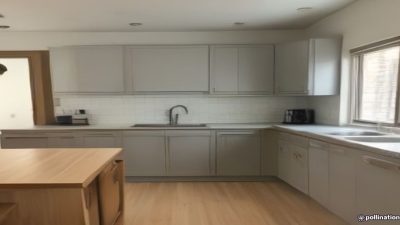
Did you know that 40% of homeowners in the US are turning their garages into living spaces? That’s the trend that’s reshaping neighborhoods, and the answer is simple: a garage conversion can boost your home’s value, give you extra rooms, and even reduce future energy costs. If you’re looking to add value and space, a garage conversion is a smart move.
Garage conversions can triple your home’s value.
Why Garage Conversions Pay Off
First, the return on investment is hard to beat. A well‑planned project can increase resale price by 5–15%, and that’s before you even count the added square footage. Plus, it’s a flexible solution—turn that unused space into a home office, a playroom, or a cozy studio. From a practical standpoint, it’s an efficient use of existing structure, so you’re not digging new foundations.
Smart Strategies and Practical Tips
When you’re planning a garage conversion, keep these points in mind. The key is to balance cost, functionality, and style. Below are the essential strategies that make the process smooth.
- Assess the layout. Look for a clear path for natural light and ventilation.
- Plan the utility load. Ensure your electrical system can handle new appliances and lighting.
- Use versatile materials. Low‑maintenance finishes save time and money.
- Consider future tech. Think about cloud storage, VPN premium, and hosting terbaik for your smart home hub.
- Keep the flow. A seamless transition between rooms keeps the space functional.
These ideas are not just theory. From experience, a simple skylight can cut heating bills by 20%—that’s real ROI. Also, the right insulation will make the space comfortable all year round.
ROI Analysis and Calculations
Calculating ROI for a garage conversion involves a few numbers: the cost of materials, labor, permits, and the projected increase in property value. Here’s a quick framework.
- Sum all costs: materials, labor, permits, and design.
- Estimate the value lift: usually 5–15% of current home value.
- Divide the lift by the total cost: that’s your ROI percentage.
For example, a $25,000 remodel on a $300,000 home could yield a $30,000 increase in value—an impressive 120% return. Remember, these are estimates; your local market and the quality of work matter.
Risks and How to Mitigate Them
Like any renovation, there are risks. The biggest ones? Over‑budgeting, code violations, and hidden structural issues. Mitigation is simple: hire a licensed contractor, get a detailed contract, and conduct a thorough inspection before starting.
Don’t ignore the small details. A single forgotten code requirement can cost thousands to fix. It’s worth investing in a professional survey. And if you’re tech‑savvy, set up a cloud storage system for all project documents—VPN premium and secure access keep your data safe.
Getting Started: Step‑by‑Step
Ready to dive in? Here’s a practical roadmap.
- Define the purpose. Office? Gym? Guest room?
- Set a budget. Include a 10–15% contingency.
- Consult a designer. They can help with permits and layout.
- Choose materials. Opt for durable, low‑maintenance options.
- Hire a contractor. Verify licensing and past work.
- Track progress. Use a project management app for updates.
- Finish and furnish. Add finishing touches that match the rest of your home.
Keep in mind that every project is unique. If you’re a laptop terbaik user, you can monitor progress remotely using a project management app. And don’t forget to set up a domain murah for your home improvement blog—hosting terbaik will keep your site running smoothly.
In the end, a garage conversion is more than a renovation; it’s an investment in your lifestyle and future.
What’s the most exciting space you’d like to transform? Drop your thoughts below and let’s chat about turning garages into dream rooms!
Baca juga: How to Master Small Kitchen Remodel Ideas — Practical Advice | Best Home Improvements For Resale — Everything You Need to Know in 2026 | The Ultimate Guide to Hardwood Flooring Installation Guide