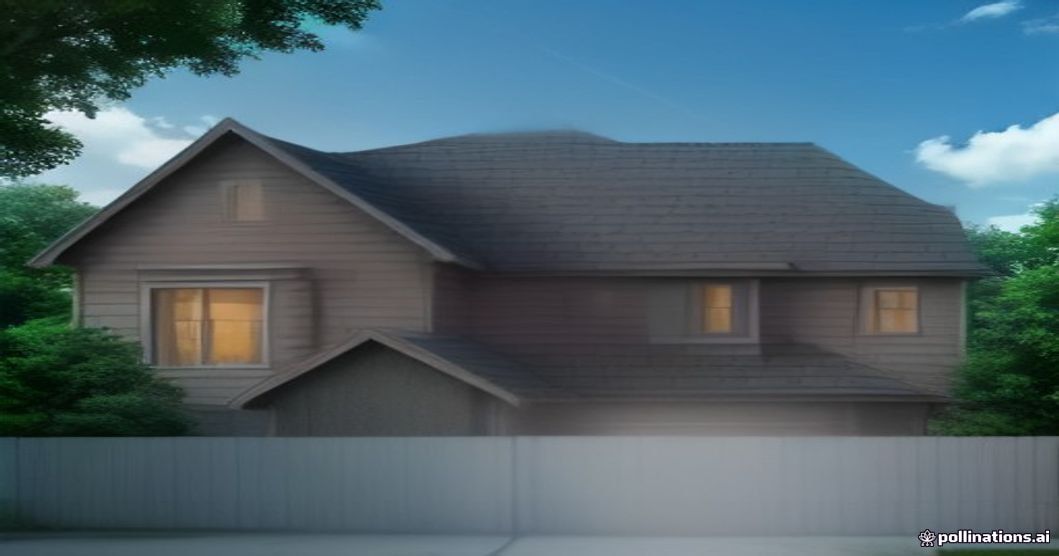
After a months of hammering, sanding, and finally installing that stunning quartz countertop, I realized I still hadn’t sorted out one critical detail: home insurance for renovated homes.
People often think a policy is just a formality, but if you’ve poured money into upgrades, that formality can become the biggest expense. It’s not just about protection—it’s about ensuring every new square foot is covered. Trust me, this is a point that trips up many renovators.
Why Renovating Can Be a Risky Investment
When you replace an old roof with a new one, you might think the risk is gone. Nah, that’s a trick. The new roof can still be vulnerable to hail, lightning, or even a careless DIY mistake.
And here’s the kicker: insurers often treat renovated homes differently. They may consider the property “high value” and adjust premiums accordingly. So, what does that mean for you? You’ll likely see higher rates or, worse, exclusions.
From my experience, many homeowners skip a policy review after renovations. That’s a recipe for disaster. I’ve seen folks pay out of pocket for damages that would have been covered if they had updated their coverage.
Smart Strategies for Home Insurance for Renovated Homes
First step: get a detailed inspection. Ask your contractor to provide a written report. That gives the insurer a concrete basis to assess risk.
Next, consider a “replacement cost” coverage. It pays the full cost to rebuild, not just the depreciated value. This is vital for new fixtures that cost more than the old ones.
- Check for added coverage on specific upgrades (e.g., custom windows, smart home tech).
- Ask if the policy includes “builder’s risk” if you’re still in the construction phase.
- Verify that any structural changes are noted in the policy documents.
Also, don’t forget the small stuff. A single broken window can trigger a claim that might not be covered if the policy was only written for the original structure.
When you’re picking a provider, look for those that specialize in renovated properties. They’ll understand the nuances and offer tailored solutions.
Calculating ROI on Renovations
Do you know the true return on your remodel? Let’s crunch some numbers.
- List every major expense: materials, labor, permits.
- Estimate the increase in home value from each upgrade.
- Subtract the cost of an updated insurance premium.
- What remains is your net ROI.
If the numbers look good, you’re on track. If not, consider scaling back certain luxuries or negotiating better terms with your insurer.
Personally, I’ve found that a modest upgrade—like a new kitchen island—often gives a higher ROI than a pricey custom staircase. That’s the kind of insight that keeps me honest.
Mitigating Risks Before the Policy Takes Effect
Now, let’s talk prevention.
First, secure all loose items. A windstorm can turn a chandelier into a hazard.
Second, update your home’s safety systems: smoke detectors, carbon monoxide alarms, and even a smart home security system. Those devices can reduce claim costs.
Third, keep detailed records. Photos, receipts, and contractor invoices are your best allies if a claim arises.
When you’re dealing with a newly renovated home, remember that every detail counts. Even a small oversight can lead to a denied claim.
Getting Started: Steps to Secure the Right Coverage
Ready to lock down that policy? Follow this quick playbook.
- Call your current insurer and schedule an updated assessment.
- Request a quote that reflects your new home layout and upgrades.
- Compare at least three providers—look for those that mention “renovated homes” in their specialties.
- Ask about discounts for bundling—some insurers offer savings if you combine auto and home policies.
- Review the fine print. Make sure exclusions for recent renovations are addressed.
Once you’ve chosen a provider, keep the policy active by updating any new additions. A new piece of art or a remodeled garage can change your coverage needs.
Speaking from experience, the best approach is to treat insurance like a living document. Update it as often as you remodel.
And for the tech-savvy renovator, consider integrating a cloud storage solution for your insurance documents. This way, you’ll have instant access whenever you’re on the go. If you’re also running a small business from home, a VPN premium and a laptop terbaik will keep your data secure—just as important as protecting the physical space.
Finally, if you’re juggling multiple online services, a domain murah and a hosting terbaik can support your home office’s digital presence. All these elements—insurance, tech, and renovation—work best when they’re synchronized.
In the end, the right coverage gives you peace of mind. You’ll sleep better knowing that your investment is protected. That’s the real win.
Baca juga: Understanding Loss Of Use Coverage Explained — What Experts Recommend | Home Insurance For Older Homes — Complete Guide for Smart Homeowners | Home Insurance For Rental Property — Everything You Need to Know in 2026