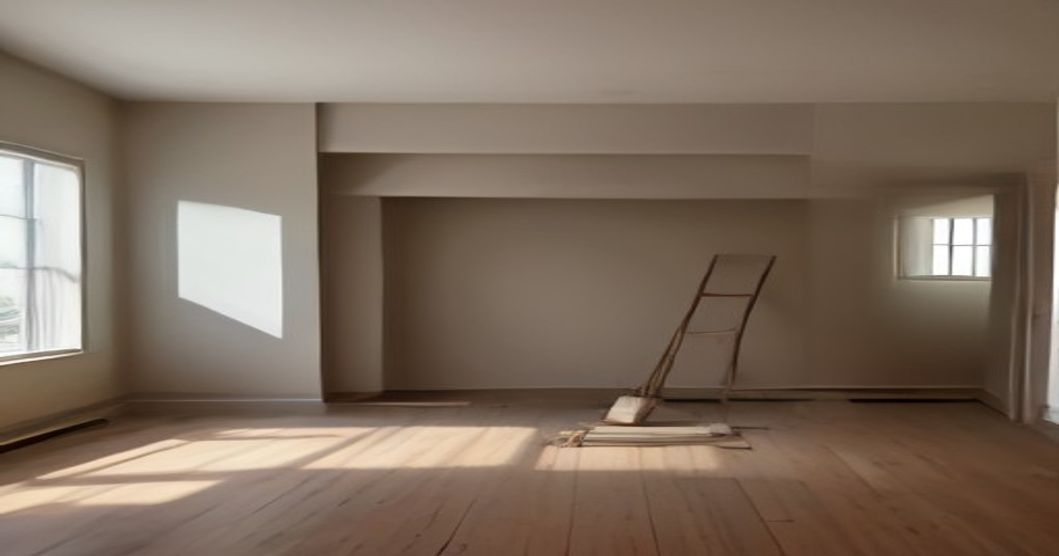
Home renovation permits explained: the trick is to get the right paperwork before you start hammering. Skip the paperwork, and you’ll be staring at a hefty fine instead of a fresh kitchen.
Why Investing in Property is Profitable
When you own a home, every improvement can add resale value. If you upgrade a kitchen, you’re not just adding a new appliance—you’re creating a selling point. In the market, a renovated home can fetch 10–15% more than the same property in its original state.
But the upside isn’t just in the sale price. A well‑renovated home can lower your utility bills, improve indoor air quality, and reduce maintenance costs. So, the return on investment (ROI) isn’t only monetary; it’s also about living better.
Strategic Tips and Practical Advice: home renovation permits explained
Before you even pick a paint color, check the local building code. It’s easy to overlook a simple electrical upgrade or a structural change that requires a permit.
Here’s a quick cheat sheet:
- Scope matters. Minor cosmetic changes usually don’t need a permit, but moving walls, adding windows, or installing a new HVAC system almost always do.
- Check the deadline. Some municipalities require permits to be submitted at least 30 days before work begins.
- Use a reliable contractor. A reputable contractor will know the paperwork and can handle the inspection process for you.
Personally, I’ve seen projects stall because the owner didn’t realize a permit was needed. It cost them time and money.
Also, keep your digital files organized. I use a cloud storage solution to store contracts, permits, and inspection reports. If you’re managing multiple projects, a cloud-based aplikasi produktivitas can save you headaches.
ROI Analysis and Calculations
Calculating ROI on a renovation isn’t as simple as adding the cost of materials to the resale value. You need to factor in labor, permits, and potential delays.
- Start with the total cost of the project: materials + labor + permits.
- Estimate the appreciation in home value: look at local market trends.
- Subtract the cost of financing if you’re using a loan.
- Divide the net gain by the total cost to get the ROI percentage.
For example, a $20,000 kitchen remodel that adds $25,000 to the home’s value yields a 25% ROI, assuming no financing costs.
Risks and Mitigation
Every renovation has a risk profile. The biggest ones? Cost overruns, unexpected code violations, and timeline delays.
Here’s how to mitigate them:
- Get a detailed estimate. Ask for itemized quotes and a timeline.
- Hire a licensed contractor. They’re more likely to know the permit requirements.
- Build a buffer. Add 10–15% to your budget for unforeseen expenses.
- Stay on top of inspections. A missed inspection can halt the project.
And if you’re a tech person, use a laptop terbaik for drafting plans, and consider a VPN premium when accessing sensitive documents from public Wi-Fi.
Steps to Start
Now that you know what to look for, here’s a step‑by‑step roadmap:
- Define the scope: What changes are you planning?
- Consult local building codes: Many municipalities offer online resources.
- Apply for permits: Submit drawings, plans, and fees.
- Schedule inspections: Most codes require at least one structural and one final inspection.
- Begin construction: Keep a log of all work done.
- Final inspection and approval: Once passed, you’re good to go.
And remember: home renovation permits explained is about compliance, not bureaucracy. If you follow these steps, you’ll avoid penalties and enjoy a smoother project.
Have you faced permit hurdles in your renovation? Drop a comment below—let’s troubleshoot together!
Baca juga: Walk In Closet Renovation Design — Complete Guide for Smart Homeowners | How to Master Before And After Home Renovation — Practical Advice | Understanding Kitchen Remodel Ideas On A Budget — What Experts Recommend