Did you know that the IRS lets homeowners write off up to 20% of renovation costs in some states? That’s a sweet slice of savings for anyone looking to upgrade their nest. It’s not just a perk; it’s a game‑changer in the world of property investment.
Why Property Investment Pays Off
When you buy a house, you’re not just buying bricks and mortar—you’re buying an asset that can grow in value. The trick is to make the most of the money you spend on upgrades, and that’s where home renovation tax deductions come into play.
Keep receipts.
Use a spreadsheet.
Ask a CPA.
These three tiny habits can save you thousands over the life of the property.
Practical Strategies for Home Renovation Tax Deductions
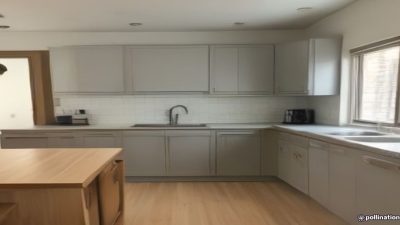
Below is a quick roundup of the most effective tactics. I’ve tried them myself on a recent kitchen remodel, and the results were worth the effort.
- Track every dollar. Keep a dedicated folder—physical or digital—where you store receipts, invoices, and warranties.
- Separate work from personal. If you use the space for a home office, the deduction can be split, but mixing the two can cause headaches.
- Opt for green upgrades. Energy‑efficient windows, solar panels, and insulation can qualify for extra credits.
1. Keep Detailed Records
First thing: documentation. I use a laptop terbaik with a fast SSD to run my budget spreadsheets. I also back everything up to cloud storage so I never lose a receipt. If you’re worried about privacy, pair it with a VPN premium when you’re uploading data.
Don’t forget to label each file clearly. A simple naming convention like 2024-06-15-WindowInstallation.pdf saves time during tax season.
2. Separate Work vs Personal Expenses
If your renovation creates a new office space, you can claim a portion of the cost. The IRS requires you to calculate the square‑footage ratio. For instance, a 200‑sq‑ft office in a 2,000‑sq‑ft home is 10% of the total area, so 10% of eligible expenses can be deducted.
It’s a bit of math, but the savings are real. I did this for my home office and ended up cutting my tax bill by a few thousand dollars.
3. Claim Energy‑Efficient Improvements
Solar panels, high‑efficiency HVAC units, and double‑pane windows not only reduce utility bills but also qualify for federal credits. The home renovation tax deductions can stack with these credits, giving you a double whammy.
When I installed a new HVAC system, I combined the credit with a deduction for the labor cost, and the net savings were impressive.
ROI Analysis
Let’s break down how the deductions affect your return on investment. Below is a simple calculation template you can adapt.
- Calculate total renovation cost. Include labor, materials, and permits.
- Determine deductible portion. Typically 50% of the cost for non‑energy upgrades, 100% for qualifying energy upgrades.
- Apply tax rate. Multiply the deductible amount by your marginal tax rate.
- Subtract tax savings. The result is the net cost of the renovation.
For example:
- Renovation cost: $20,000
- Deductible portion (non‑energy): 50% → $10,000
- Marginal tax rate: 22% → $2,200 savings
- Net cost: $17,800
That’s a $2,200 cushion you can put toward the next project or use for a rainy day.
Risks & Mitigation
Every strategy has its pitfalls. Here’s what to watch out for.
- Misclassifying expenses. Don’t lump in landscaping or landscaping that isn’t directly tied to the renovation.
- Inadequate documentation. A missing receipt can mean a denied deduction.
- Tax law changes. Stay updated—deductions can shift from year to year.
Common Pitfalls
- Assuming all renovation costs are deductible.
- Overlooking energy‑efficiency credits.
- Failing to separate home office expenses.
To avoid these, keep a dedicated aplikasi produktivitas for tracking every line item. I swear by my budgeting app for this.
Getting Started
Ready to dive in? Start by setting up a simple filing system—digital or physical. If you’re tech‑savvy, a domain murah and a blog can be a great way to document the process and share insights.
Remember, the goal is to maximize the value of every dollar spent. The home renovation tax deductions are just the icing on the cake.
What’s the biggest challenge you face when tracking renovation expenses? Drop a comment below—I’d love to hear your stories and share more tips.
Baca juga: The Ultimate Guide to Hardwood Flooring Installation Guide | Home Addition Cost Per Square Foot — Everything You Need to Know in 2026 | Open Concept Kitchen Renovation — A Comprehensive Breakdown