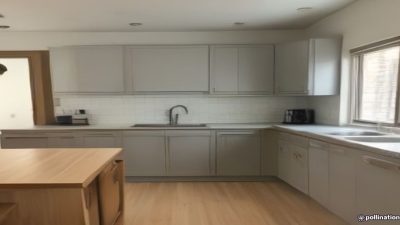
When you’re debating kitchen cabinet refacing vs replacing, the decision feels like choosing between a quick makeover and a full renovation. It’s a tough call, but the right choice can boost your home’s value and vibe.
So, what’s the real difference? Refacing means covering existing frames with new veneers, while replacing swaps out the entire unit. Each has pros and cons, and the best pick depends on your budget, timeline, and long‑term goals.
It’s a tough call.
Oke jadi it’s all about the details.
Why Property Investment Pays Off
Homeowners who upgrade their kitchens often see a return on investment that rivals a full remodel. A fresh look can attract buyers, increase resale value, and make daily chores more enjoyable. The key is to balance cost and impact.
Kitchen Cabinet Refacing vs Replacing: Which One Wins?
If your cabinets are structurally sound but look outdated, refacing is the quick win. You keep the frame, add a new face, and often cut time and labor. Replacing, on the other hand, gives you a clean slate—perfect if you’re dealing with rot, water damage, or a design that’s way out of style.
Time matters.
Budget matters.
Here’s the deal: refacing usually costs 30–50% less than a full replacement, and the process can be completed in a week or two. Replacing can take a month or more, depending on complexity.
ROI Breakdown & Calculations
To decide, crunch the numbers:
- Refacing Cost: $4,000–$6,000
- Replacing Cost: $10,000–$15,000
- Estimated Value Increase: Refacing: $6,000–$8,000; Replacing: $12,000–$15,000
- Payback Period: Refacing: 6–9 months; Replacing: 12–18 months
These figures are averages; your local market and cabinet condition can shift the numbers. The point is, refacing often gives a faster, cheaper ROI, while replacement offers a bigger long‑term upgrade.
Risks & Mitigation
Every upgrade has its pitfalls. With refacing, you risk hidden damage that shows up later. With replacement, you risk overruns and extended disruption.
Mitigate by:
- Hiring a reputable contractor with a solid track record.
- Inspecting for rot, water damage, or structural issues before you decide.
- Getting a detailed, written estimate that includes a contingency line item.
Don’t rush the decision. Take a day or two to weigh the pros and cons.
Getting Started Steps
Ready to move forward? Here’s a practical roadmap:
- Audit Your Cabinets: Measure, check for damage, and list your preferences.
- Get Multiple Quotes: Compare prices and services.
- Choose a Finish: Matte, glossy, or textured—pick one that matches your style.
- Schedule the Work: Set a realistic timeline with your contractor.
- Plan for Clean‑up: Protect floors and furniture.
And if you’re also setting up a home office, think about hosting terbaik for your website, a VPN premium for secure browsing, and cloud storage to keep your files safe. A laptop terbaik and domain murah can make your remote work smoother.
My personal favorite pick is refacing for most homeowners, because it’s cost‑effective, fast, and still delivers a fresh look. But if you’re starting from scratch or dealing with serious damage, replacing is the way to go. Trust your instincts, do the math, and pick the path that feels right for you.
Baca juga: Laundry Room Renovation Ideas — Smart Strategies That Actually Work | Bathroom Renovation Cost Guide — Complete Guide for Smart Homeowners | Bathroom Renovation Cost Guide — What to Expect in 2026