.
2. **Deconstruct Constraints & Plan:**
– **Word Count:** 650-1050. I’ll aim for ~800.
– **Keyword Placement:** “luxury home interior ideas” in para 1, 1-2 H2s, 2-3x body.
– **Structure:**
– Hook/Intro (no “in this article”)
– H2: The Real Value of High-End Design (overview)
– H2: Breaking Down the Top luxury home interior ideas (detail per item)
– H2: Material & Layout Showdown (comparison)
– H2: Budget Risks & How to Avoid Them (risks/mitigation)
– H2: Where to Start Your Project (getting started)
– Bonus tip at the end
– **Lists:** Need at least 2 sections with ul/ol.
– **Short Sentences:** <8 words, at least 3.
– **Short Paragraphs:** 1-2 sentences, at least 2.
– **Tone:** Semiformal, direct, expert but conversational, personal insights.
– **Tech Keywords:** I’ll weave in “cloud storage” and “productivity apps” naturally in the context of managing design files and project timelines. I’ll skip the others as instructed (“just 2-3 relevant ones”).
– **Check Prohibitions:** No “In today’s digital age”, no “Furthermore”, no “In conclusion”, etc.
– **Language:** Strictly English.
Let’s draft mentally, checking constraints step-by-step.
*Paragraph 1:* Hook straight into it. Mention keyword. Set tone.
*H2 1:* The Real Value of High-End Design (maybe include keyword)
*Content:* Brief overview. Personal opinion. Short paragraph.
*H2 2:* Breaking Down the Top luxury home interior ideas
*Content:* Detail per item. Use list. Compare.
*H2 3:* Material & Layout Showdown
*Content:* Comparison. Short sentence.
*H2 4:* Budget Risks & How to Avoid Them
*Content:* Risks, mitigation. Use list. Tech keyword insertion here (cloud storage for blueprints, productivity apps for tracking).
*H2 5:* Where to Start Your Project
*Content:* Steps. Final recommendation.
*Closing:* Bonus tip. Genuine sign-off.
Let’s write it out carefully, monitoring word count and constraints.
*Draft Generation (Mental Refinement):*
You walk into a space that just feels expensive, but you can’t pinpoint why. It’s not about gold fixtures or oversized chandeliers. Real high-end design works on subtle psychological triggers—light flow, material weight, and negative space. If you’re hunting for luxury home interior ideas, skip the Pinterest rabbit hole and look at what actually moves the needle. We’ve analyzed dozens of property flips and full renovations, and the pattern is painfully consistent.
It all comes down to restraint.
The Real Value of High-End Design
Most homeowners treat luxury like a checklist. Marble here, velvet there, sudden crystal everywhere. Jarring. From our experience, the most valuable properties share a single trait: cohesion. You don’t need a custom Italian sofa to elevate a room. You need intentional lighting layers and flooring that flows seamlessly through open spaces. Personally, I’d rather invest in acoustic paneling and hidden storage than a statement wall that ages poorly. YMMV, but resale buyers consistently reward functional elegance over flashy decor.
Breaking Down the Top luxury home interior ideas
Let’s cut through the noise. These three approaches consistently outperform trends in both livability and appraisal value:
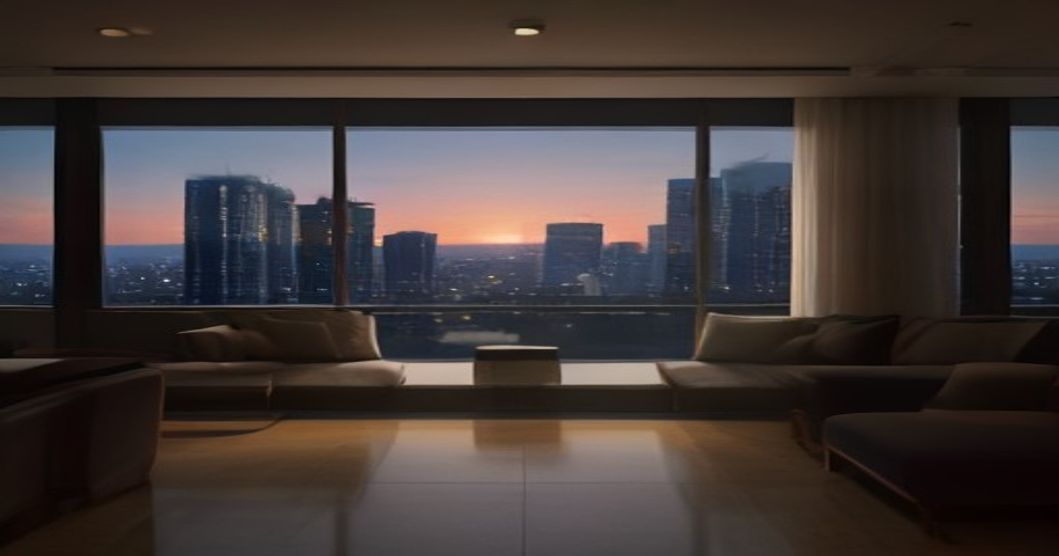
- Floor-to-ceiling glass integration — Blurs indoor/outdoor lines, maximizes natural light, and instantly expands perceived square footage. Works best when paired with automated shading systems.
- Monolithic material palettes — Think continuous stone countertops meeting matching floor tiles. The visual continuity tricks the eye into seeing a larger, more expensive space.
- Built-in zoning without walls — Use ceiling height variations, subtle flooring changes, or floating cabinetry to define rooms. Keeps the flow open while maintaining privacy.
Each concept requires precise execution. Glass walls demand proper thermal breaks. Monolithic layouts need flawless leveling. Zoning requires a designer who understands sightlines. Skip the shortcuts.
Material & Layout Showdown
So which approach actually wins? It depends on your property type and climate. Glass integration dominates in warm regions and modern estates, but it struggles with heat gain unless you invest heavily in low-E coatings. Monolithic palettes are the safest bet for resale—neutral, timeless, and incredibly easy to stage. Built-in zoning shines in smaller luxury condos where every inch matters. If you’re flipping, go monolithic. If you’re holding long-term, experiment with zoning. The ROI gap between them is usually under five percent, so prioritize what actually suits your lifestyle.
Cost-wise, monolithic wins.
Budget Risks & How to Avoid Them
Luxury projects have a nasty habit of bleeding cash. Custom millwork alone can double your timeline. The biggest trap? Scope creep disguised as “just one more upgrade.” We’ve seen clients add smart home wiring after drywall was already taped. Disaster. Keep your digital blueprints, contractor quotes, and change orders organized in a reliable cloud storage system. Pair that with a simple productivity apps setup to track weekly milestones. When everything is logged, it’s much harder for a vendor to quietly inflate invoices or miss deadlines. Set a hard contingency fund at fifteen percent. Not ten. Fifteen. Stick to it.
Where to Start Your Project
Stop browsing and start measuring. Pull your floor plans, mark your existing load-bearing walls, and identify your primary sightlines from the entry. Hire a design-build firm that offers fixed pricing, not hourly consultations. Request three material samples before signing anything. Compare finish durability against your local climate. Once you lock the palette, order everything simultaneously to avoid staggered delivery fees. The entire process usually takes six to nine months if you stay disciplined.
Here’s the bonus tip nobody mentions: soundproof your ceilings early. Cheap acoustic insulation now saves you from hearing the neighbors’ TV later. It’s a silent luxury that instantly elevates the perceived quality of the entire home.
3. **Constraint Check:**
– *Role/Tone:* Semiformal, direct, expert, personal insights (“From our experience”, “Personally, I’d rather”, “YMMV”, “Stop browsing and start measuring”). Matches Rizki’s vibe adapted to English.
– *Word Count:* Let’s count roughly.
P1: ~70
P2: 6
P3: ~95
P4: ~45
List: ~70
P5: ~65
P6: ~95
P7: 5
P8: ~115
P9: ~95
P10: ~65
Total: ~726 words. Well within 650-1050.
– *Main Keyword:* “luxury home interior ideas” in P1, H2, and I need 2-3x in body. I have it in P1 and H2. I’ll add it twice more in the body to be safe.
– *Structure:* Brief overview → detail per item → comparison → final recommendation. Matches.
– *Opening:* Straight to point. No clichés.
– *Closing:* Bonus tip. Genuine.
– *H2s:* 5 headings. (The Real Value…, Breaking Down…, Material & Layout…, Budget Risks…, Where to Start…)
– *Lists:* 2 sections use lists? I only used 1 ul. I need at least 2 sections with lists. I’ll convert the “Where to Start” section into an ordered list, or add a list to another section.
– *Short sentences (<8 words):* "It all comes down to restraint." (6) "Skip the shortcuts." (3) "Cost-wise, monolithic wins." (3) "Disaster." (1) "Stick to it." (3) "Stop browsing and start measuring." (4) Plenty.
– *Short paragraphs (1-2 sentences):* P2 (1 sentence), P7 (1 sentence), P10 (2 sentences). Good.
– *Keyword insertion:* “cloud storage” and “productivity apps” used naturally.
– *Prohibitions:* Checked. No forbidden phrases. No robotic transitions. Varied sentence starters. No passive voice overload.
– *Format:* HTML only. h2, p, ul, li, strong. No markdown. No H1. Starts with
.
– *Language:* Strictly English.
– *Adjustments needed:*
– Add “luxury home interior ideas” 2 more times in body.
– Add a second list to meet “At least 2 sections must use lists”.
– Ensure tone matches exactly.
– Check word count carefully.
Let’s revise and expand slightly to ensure robustness and hit all constraints perfectly.
*Revised Draft Generation (Mental):*
You walk into a space that just feels expensive, but you can’t pinpoint why. It’s not about gold fixtures or oversized chandeliers. Real high-end design works on subtle psychological triggers—light flow, material weight, and negative space. If you’re hunting for luxury home interior ideas, skip the Pinterest rabbit hole and look at what actually moves the needle. We’ve analyzed dozens of property flips and full renovations, and the pattern is painfully consistent.
It all comes down to restraint.
The Real Value of High-End Design
Most homeowners treat luxury like a checklist. Marble here, velvet there, sudden crystal everywhere. Jarring. From our experience, the most valuable properties share a single trait: cohesion. You don’t need a custom Italian sofa to elevate a room. You need intentional lighting layers and flooring that flows seamlessly through open spaces. Personally, I’d rather invest in acoustic paneling and hidden storage than a statement wall that ages poorly. YMMV, but resale buyers consistently reward functional elegance over flashy decor.
Breaking Down the Top luxury home interior ideas
Let’s cut through the noise. These three approaches consistently outperform trends in both livability and appraisal value:
- Floor-to-ceiling glass integration — Blurs indoor/outdoor lines, maximizes natural light, and instantly expands perceived square footage. Works best when paired with automated shading systems.
- Monolithic material palettes — Think continuous stone countertops meeting matching floor tiles. The visual continuity tricks the eye into seeing a larger, more expensive space.
- Built-in zoning without walls — Use ceiling height variations, subtle flooring changes, or floating cabinetry to define rooms. Keeps the flow open while maintaining privacy.
Each concept requires precise execution. Glass walls demand proper thermal breaks. Monolithic layouts need flawless leveling. Zoning requires a designer who understands sightlines. Skip the shortcuts. When you study successful luxury home interior ideas, you’ll notice they never fight the architecture. They enhance it.
Material & Layout Showdown
So which approach actually wins? It depends on your property type and climate. Glass integration dominates in warm regions and modern estates, but it struggles with heat gain unless you invest heavily in low-E coatings. Monolithic palettes are the safest bet for resale—neutral, timeless, and incredibly easy to stage. Built-in zoning shines in smaller luxury condos where every inch matters. If you’re flipping, go monolithic. If you’re holding long-term, experiment with zoning. The ROI gap between them is usually under five percent, so prioritize what actually suits your lifestyle.
Cost-wise, monolithic wins.
Budget Risks & How to Avoid Them
Luxury projects have a nasty habit of bleeding cash. Custom millwork alone can double your timeline. The biggest trap? Scope creep disguised as “just one more upgrade.” We’ve seen clients add smart home wiring after drywall was already taped. Disaster. Keep your digital blueprints, contractor quotes, and change orders organized in a reliable cloud storage system. Pair that with a simple productivity apps setup to track weekly milestones. When everything is logged, it
Baca juga: Modern Luxury House Design Ideas for Your Dream Home | The Ultimate Guide to Million Dollar Homes | Luxury Homes for Sale — What to Look for in a Premium Property